
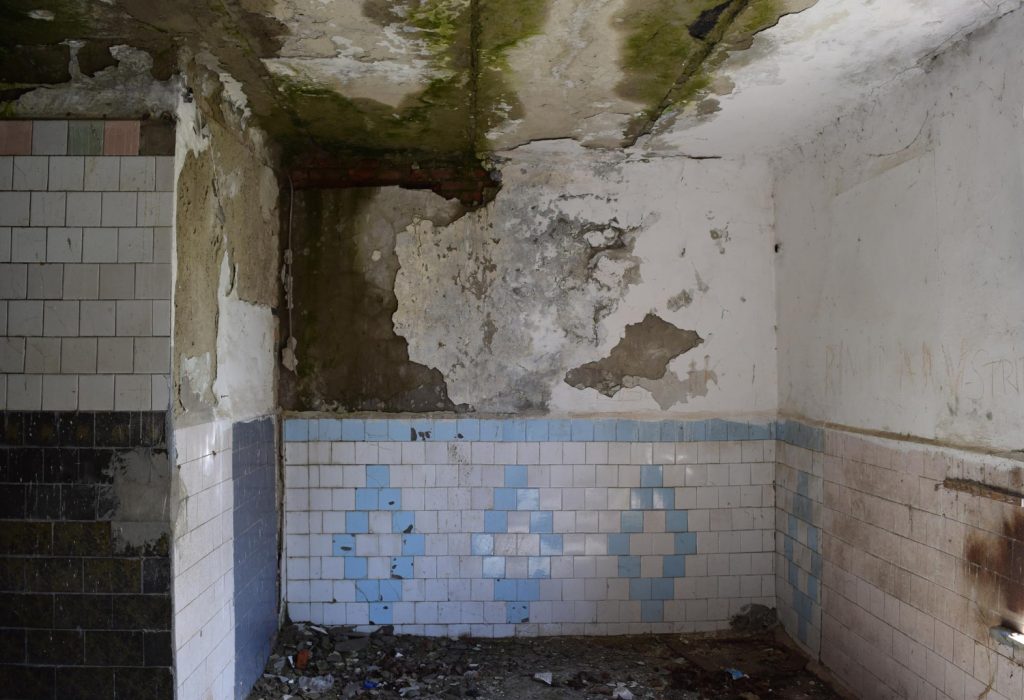
Water damage can create significant problems for homeowners if not addressed quickly. Whether it’s a burst pipe in the middle of the night, a ceiling leak after a heavy storm, or a slow leak that’s gone unnoticed for weeks, excess moisture in your home is never something to ignore. That’s where structural drying comes in — one of the most important steps in professional water damage restoration.In this guide, we’ll break down what structural drying is, why it matters, and how the team at Freedom Restoration Services helps homeowners across East Tennessee recover quickly and safely.
What Is Structural Drying?
Structural drying is the professional process of removing moisture from building materials — such as drywall, flooring, framing, and insulation — and restoring a structure to safe, pre-loss moisture levels. Unlike simply mopping up visible water, structural drying targets the hidden moisture that seeps into walls, floors, and substructures after a water loss.The goal is to eliminate excess moisture before it causes deterioration, warping, wood rot, or mold growth. Even well-built materials can be ruined by water damage, and lingering dampness gives mold the opportunity to grow and thrive.
Why Structural Drying Matters
A proper drying process is arguably the most critical step in any water damage restoration project because it stops secondary damage in its tracks. Without thorough drying, hidden moisture can lead to:
- Mold growth — often within 24–48 hours of a water loss
- Wood rot and compromised structural integrity
- Warped flooring, buckled hardwood, and damaged drywall
- Persistent musty odors and poor indoor air quality
- Costly repairs that could have been avoided
Simply put, what you can’t see can hurt your home. That’s why professional moisture testing and drying are essential after any water event.
The Professional Structural Drying Process
Every water loss is different, and factors such as the source of the water, the building materials involved, and the response time can dramatically impact the outcome. Professional restoration companies follow industry-standard protocols and use specialized equipment to ensure a thorough and efficient drying process. Here’s what a typical structural drying project looks like:
1. Inspection and Moisture Detection Professionals use advanced moisture detection technology — such as moisture meters and thermal imaging cameras — to identify hidden damage behind walls, under floors, and in ceilings. Professional moisture testing is key to finding water you can’t see.
2. Water Extraction Standing water is removed quickly using powerful extraction equipment to prevent it from soaking deeper into materials.
3. Drying and Dehumidification Industrial-grade air movers and dehumidifiers are strategically placed to draw moisture out of structural materials and the air. The science behind this — known as psychrometry — is at the core of professional water damage restoration.
4. Monitoring and Verification Throughout the process, technicians monitor moisture levels daily to confirm that materials are returning to safe, dry standards before equipment is removed.
5. Documentation and Restoration Detailed moisture readings and photos are documented along the way, which can assist with insurance claims. Once the structure is dry, any necessary repairs and reconstruction can begin.
Key Takeaways for Homeowners
- Early response is critical. The faster water is removed and drying begins, the lower the risk of secondary damage and mold.
- Professional moisture testing helps identify hidden damage that the naked eye can’t detect.
- Documentation can assist with insurance claims — thorough records of moisture readings and damage make the claims process smoother.
- Mold prevention should be a primary goal of any water damage response.
Frequently Asked Questions
Q: When should I call a restoration company? A: As soon as water damage is discovered. Time is the biggest factor in limiting damage — 24/7 emergency response services exist for exactly this reason.
Q: Will insurance cover the damage? A: Coverage depends on the source of the loss and your policy terms. Sudden events like broken pipes are often covered, while gradual leaks may not be. Your restoration provider can help document the damage for your claim.
Q: Can materials always be saved? A: Not always. Decisions about salvaging versus replacing materials depend on contamination levels and the extent of the damage. Acting quickly greatly improves the odds of saving flooring, drywall, and personal belongings.
Serving East Tennessee with 24/7 Emergency Response
Freedom Restoration Services provides property structural drying services using advanced equipment, commercial dryout services for storefronts and office buildings, and 24/7 emergency restoration services for broken pipes, ceiling leaks, and more. As a service-disabled veteran-owned small business serving East Tennessee, we take pride in restoring homes and businesses with integrity and care. Don’t let water damage disrupt your life — act now and trust the experts to handle the rest.
Contact Freedom Restoration Services Today
If you’re dealing with water damage, don’t wait. Contact Freedom Restoration Services for:
- ✅ 24/7 Emergency Response
- ✅ Professional Moisture Testing
- ✅ Structural Drying & Dehumidification
- ✅ Mold Prevention
- ✅ Full Reconstruction Services