
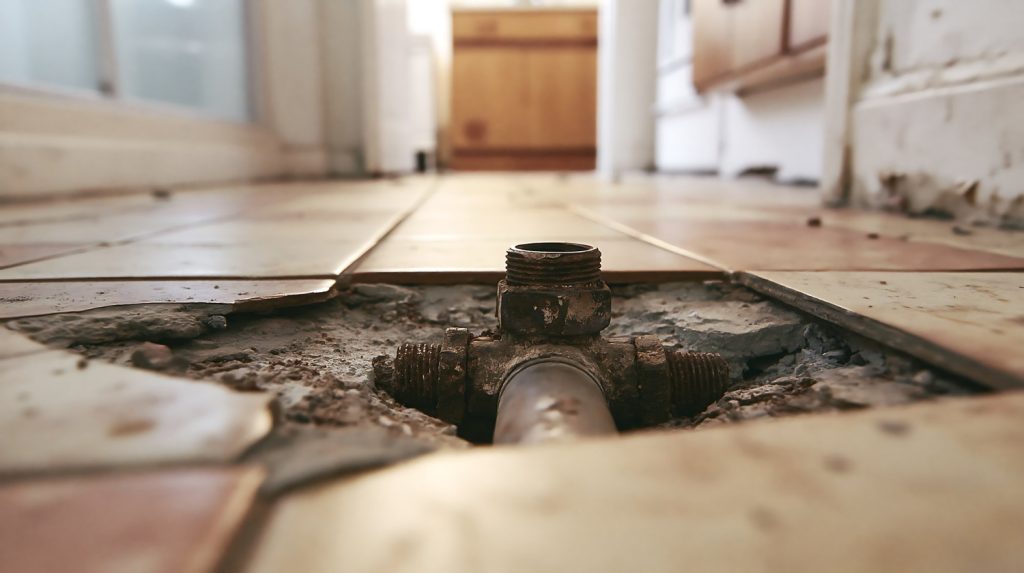
A sewage backup is one of the most stressful and hazardous disasters a homeowner can face. Unlike a clean water leak from a supply line, sewage backups introduce contaminated water into your living space—water that carries bacteria, viruses, and other pathogens capable of threatening both your property and your family’s health. The key to minimizing the damage? Acting quickly, prioritizing safety, and leaning on qualified professionals to restore your space. In this guide, we’ll walk you through what causes sewage backups, how they affect your home, the health risks involved, and what the professional restoration process looks like.
Why Sewage Backups Are So Dangerous
Sewage water—often called “black water” in the restoration industry—is classified as Category 3 water, the most contaminated type. It can contain harmful microorganisms, parasites, and toxic gases. When a sewer backup causes contaminated water damage, the health risks are significant, and professional cleanup is essential
.Exposure to sewage-contaminated water can lead to:
- Bacterial infections (including E. coli and Salmonella)
- Viral illnesses such as hepatitis A
- Skin irritation and respiratory issues from airborne contaminants
- Mold growth, which can begin within 24–48 hours in damp, untreated materials
This is why sewage backups must be dealt with quickly and efficiently—and why hiring a professional restoration company is strongly recommended.
How Sewage Backups Damage Your Home
Every water loss is different, and factors such as the source of the water, the building materials involved, and your response time can dramatically impact the outcome. Here’s how a sewage backup typically affects a home:
1. Flooring and Carpeting Porous materials like carpet, carpet padding, and hardwood often absorb contaminated water quickly. In many cases, these materials cannot be fully decontaminated and must be removed and replaced.
2. Walls and Drywall Sewage water wicks up drywall and insulation, spreading contamination well beyond the visible water line. Materials that stay wet can weaken, warp, and become breeding grounds for mold.
3. Hidden Moisture Damage Water doesn’t stay where you can see it. It seeps into subfloors, wall cavities, and behind baseboards. Professional moisture testing helps identify hidden damage that the naked eye can’t detect—this is one of the most important reasons to call in experts rather than relying on surface-level drying.
4. Mold Growth Mold prevention should be a primary goal after any sewage event. Once mold takes hold, remediation becomes more complex and costly. Fast, thorough drying is the best defense.
5. Structural and Long-Term Issues Prolonged moisture exposure can compromise wood framing, subflooring, and even your home’s foundation over time, turning a cleanup job into a major reconstruction project.
What To Do (and Not Do) Immediately After a Sewage Backup
If sewage backs up into your home, your first steps matter:Do:
- Keep family members and pets away from the affected area
- Turn off electricity to affected rooms if it’s safe to do so
- Call a professional restoration company immediately
Don’t:
- Attempt to clean sewage with household tools—a regular household vacuum is unsafe for this job; only a wet/dry shop vac or professional extraction equipment should be used
- Delay cleanup—sewage backups must be handled quickly to limit contamination and salvage possessions
- Track contamination into clean areas of the home
The goal is always the same: protect the people involved, fix the problem, and get things back to normal as safely and efficiently as possible.
The Professional Restoration Proces
Professional restoration companies use specialized equipment, moisture detection technology, and industry standards to identify damage, develop a drying plan, and restore affected materials. Acting quickly can often reduce repair costs and minimize disruption.At Freedom Restoration Services, the process typically includes:
- Emergency Response – 24/7 emergency restoration services for sewage backups, broken pipes, and flooding
- Water Extraction – Safe removal of contaminated water and hazardous residue
- Moisture Testing – Advanced detection equipment locates hidden moisture in walls, floors, and cavities
- Structural Drying – Property structural drying using advanced equipment for bathrooms, laundry rooms, kitchens, and more
- Decontamination and Cleaning – Disinfecting affected surfaces to eliminate pathogens
- Mold Prevention – Proactive treatments and thorough drying to stop mold before it starts
- Reconstruction – Restoring or replacing damaged materials to return your home to pre-loss condition
Documentation and Insurance Claims
One often-overlooked step is documentation. Thorough documentation can assist with insurance claims—photos, moisture readings, and detailed records of damaged materials all help support your claim.As for coverage: it depends on the source of the loss and your specific policy terms. Some policies cover sewer backups only if you’ve added a specific endorsement or rider, so it’s worth reviewing your policy with your agent—ideally before an emergency happens.
Key Takeaways
- Early response is critical. The longer contaminated water sits, the greater the damage and health risk.
- Professional moisture testing helps identify hidden damage that DIY drying can miss.
- Documentation can assist with insurance claims. Record everything from day one.
- Mold prevention should be a primary goal. Fast, complete drying is your best protection.
- This is not a DIY job. Sewage cleanup requires professional equipment, training, and protective measures .
Frequently Asked Questions
Q: When should I call a restoration company? A: As soon as water damage is discovered. Time is the single biggest factor in limiting damage and cost.
Q: Will insurance cover the damage? A: Coverage depends on the source of the loss and your policy terms. Check whether your policy includes a sewer backup endorsement.
Q: Can materials always be saved? A: Not always. Decisions depend on contamination levels and the extent of damage. Porous materials exposed to sewage often need to be removed, while some hard surfaces can be cleaned and disinfected.
Q: Is sewage backup cleanup safe to do myself? A: No. Sewage contains dangerous pathogens, and improper handling can spread contamination and put your health at risk. Professional cleanup is essential.
Protect Your Home with Freedom Restoration Services
Don’t let water damage disrupt your life—act now and trust the experts to handle the rest. Freedom Restoration Services is a service-disabled veteran-owned small business proudly serving East Tennessee, offering:
- 24/7 emergency response for sewage backups, broken pipes, and ceiling leaks
- Professional moisture testing and structural drying
- Bathroom, laundry room, and kitchen flood cleanup
- Mold prevention and remediation
- Full reconstruction services